When Mold Means a Bigger Problem Than Cleaning
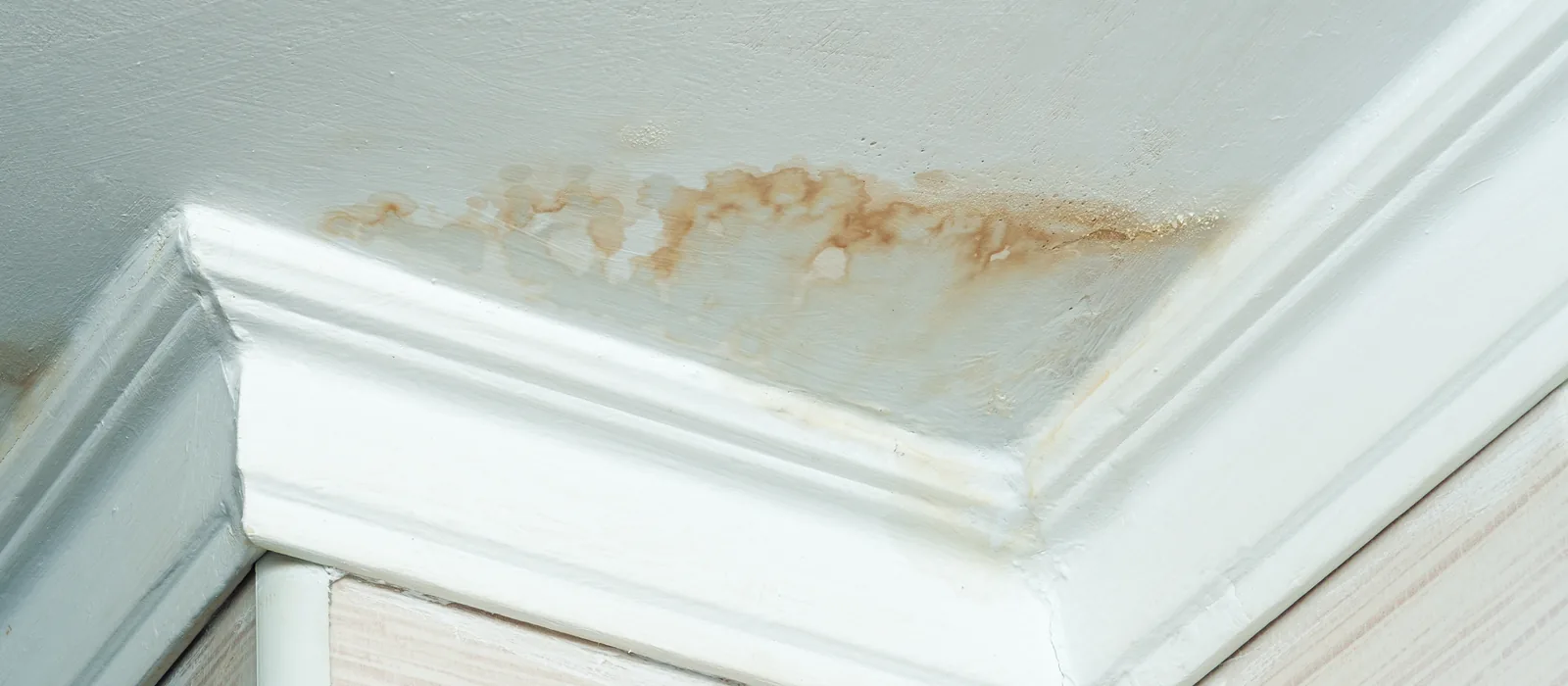
This site earns money when you buy cleaning products, so believe us when we tell you to stop buying cleaning products in the situations below. A gel removes staining from a surface. It cannot dry out a wall, fix a leak, or ventilate a building, and mold in certain patterns is a symptom rather than the disease. Treating the symptom on repeat wastes your money and, worse, hides the evidence of a defect that is getting more expensive behind the drywall.
Signs the mold is a symptom
- One spot returns while the rest of the room stays clean. This is the most diagnostic pattern there is, and it is worth learning to read. A humidity problem is democratic: it grows mold on every cold surface in the room at roughly the same rate. A leak is not. If four walls are fine and the same eighteen inches keeps coming back within weeks of a proper clean, the water is arriving at that spot specifically, and it is arriving from behind.
- The patch is on a wall or ceiling away from any obvious steam source. A moldy shower corner is ordinary life. A moldy patch in the middle of a bedroom ceiling, or climbing up from the baseboard, is a moisture route: a roof leak, a supply or drain line, a gutter dumping against the wall, or groundwater.
- It covers a large area. The EPA's long-standing rule of thumb is that mold covering more than about 10 square feet is past sensible DIY territory, both for effectiveness and for the spore load you will disturb removing it.
- Press it. If it gives, stop cleaning. Drywall that dents under a thumb, paint that has lifted into blisters, tape seams pulling away: the water is not on the surface, it is in the board. Paper-faced drywall is food for mold all the way through its thickness, so treating the visible face is cosmetic work on a material that has already failed. It gets cut back to dry framing and replaced, which is a small job now and a large one in six months.
- You can smell it but not find it. The earthy basement smell is a real detection signal and people talk themselves out of it constantly, usually by cleaning the nearest visible thing and noticing the smell survived. If the smell outlives the cleaning, the source was never what you cleaned. Look under flooring, behind vanities and kick plates, inside wall cavities, and at the air handler.
- Mold appearing at supply registers or inside the ductwork. That is an HVAC problem and it distributes spores through the whole house every time the system runs. It is not a cleaning job.
- Someone in the home has asthma, a weakened immune system, or is an infant or elderly. Damp moldy housing is an established respiratory risk. The threshold for taking it seriously drops when vulnerable people are breathing the air.
Who you actually call
Calling a remediation company first is the expensive version of the mistake this whole page is about. They will remove what is there, competently, and if the water source is still live it comes back on their schedule rather than yours, minus several thousand dollars. Almost every trade below is cheaper than remediation and any one of them may make remediation unnecessary. Find the water, then decide:
- Roofer or gutter contractor. The tell is timing: staining that darkens after heavy rain and fades between storms is water arriving from outside. Green streaking down an exterior wall usually means a gutter or downspout is discharging onto it rather than away from it.
- Plumber. Suspect a supply or drain line when the patch sits near a bathroom, kitchen, laundry or a known pipe chase, and especially when it does not care what the weather is doing. There is a free test that settles it: shut off every fixture in the house and watch the water meter for an hour. Movement means a leak somewhere, and that is worth knowing before anyone opens a wall.
- HVAC contractor for mold at registers, in ducts, or around an air handler, and for a condensate drain that has backed up.
- Home inspector or independent building consultant when the cause is not obvious. Prefer somebody you pay for a report over a free inspection from a company that sells remediation, for the reason you would expect.
- Mold remediation contractor once the source is fixed, for large-area growth, contaminated soft materials or wall cavities. Ask whether they carry IICRC certification and expect containment and negative air on any serious job.
On testing: for visible mold, air sampling is usually money you do not need to spend. You can see it, and the remediation is the same whichever species it turns out to be. Testing earns its keep when there is a smell but nothing visible, when you are in a dispute with a landlord or insurer and need documentation, or after remediation to verify clearance. Be wary of any company that offers free testing and also sells the remediation.
If you rent
Tenant protections vary a great deal by state and city, so treat this as a starting point rather than legal advice. Most states recognize an implied warranty of habitability, which generally obliges a landlord to maintain the property in a livable condition, and serious damp and mold caused by a building defect or an unrepaired leak usually falls under it. A handful of states and cities have specific mold statutes or disclosure requirements; most do not.
What holds up everywhere is documentation. Report the problem in writing, with photographs and dates, and keep copies of everything you send. If the landlord does not act, your local code enforcement or housing department is the usual escalation, and many areas have a tenants' rights hotline worth calling before you spend money on a lawyer. Do not accept an assertion that a whole-wall mold problem is your lifestyle. Condensation on a structurally cold, unventilated wall is a building defect, and repeatedly bleaching it at your own expense also destroys the evidence you would need later.
What's still yours to handle
The dividing line is whether you can explain the water. Shower caulk grows mold because showers are wet; a window sill grows it because warm air meets cold glass; a washer gasket grows it because it holds a puddle between loads. Those all have obvious causes, they are bounded, and they are what the products on this site and the habits in the prevention guide are for.
When you cannot say where the water is coming from, no product is the answer, and buying one is worse than doing nothing: it removes the stain that was the only visible record of a defect still getting worse behind the wall. Find the water first.